Signage
LED Sign Boards in Jaipur: Types, Uses, Materials and What to Know
Understand the main types of LED sign boards, the materials used with them, where they work best and what to prepare before ordering.
6 min read
Signage
By iMad6 min read
Good business signage tells people who you are, what you do and where to enter, from the distance at which they first notice you. In a busy city like Jaipur, where shopfronts compete for attention along crowded streets, the sign is often the first and sometimes the only chance to make that impression. This guide explains the main sign types, how to choose between them and what to prepare before you speak to a supplier.
A sign is more than a name on a wall. It identifies the business, directs customers to the entrance, and signals the kind of place they are walking into. A clean, legible board suggests an organised business, while a faded or cluttered one can quietly push customers towards a competitor.
Signage also carries your brand. The colours, lettering style and logo on the fascia should match what customers see on your packaging, printed materials and interiors. Our guide to retail branding and a consistent brand experience explains why that consistency matters.
Most commercial signage falls into a handful of categories. Many businesses use more than one, for example a main fascia board plus a smaller projecting sign and indoor directional signs.
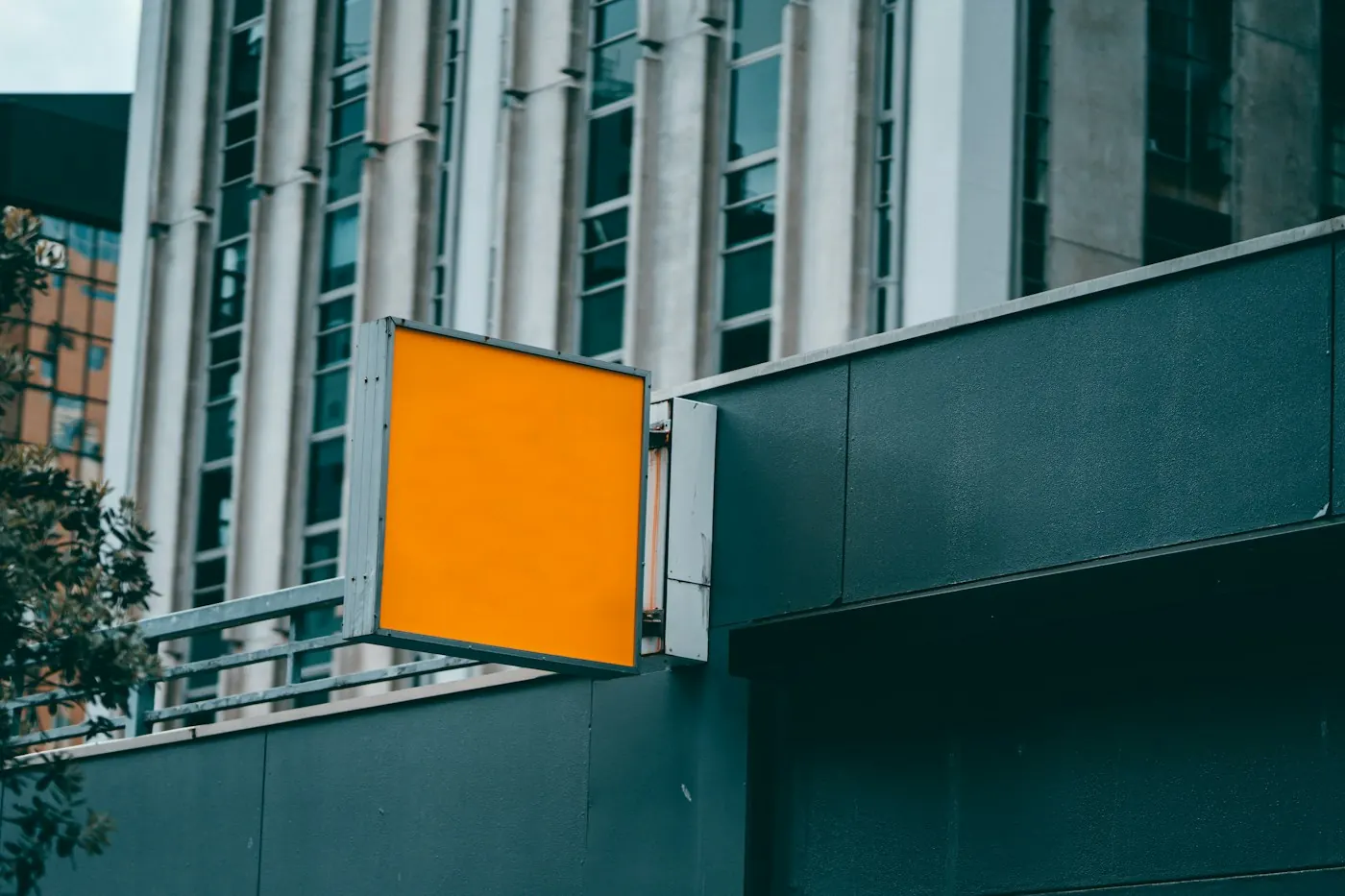
The fascia board runs across the top of the shopfront and carries the business name and logo. It is the primary identifier and usually the largest sign. Fascia boards can be lit or non-lit, and are commonly made from ACP (aluminium composite panel), flex stretched over a frame, or a combination with raised letters.
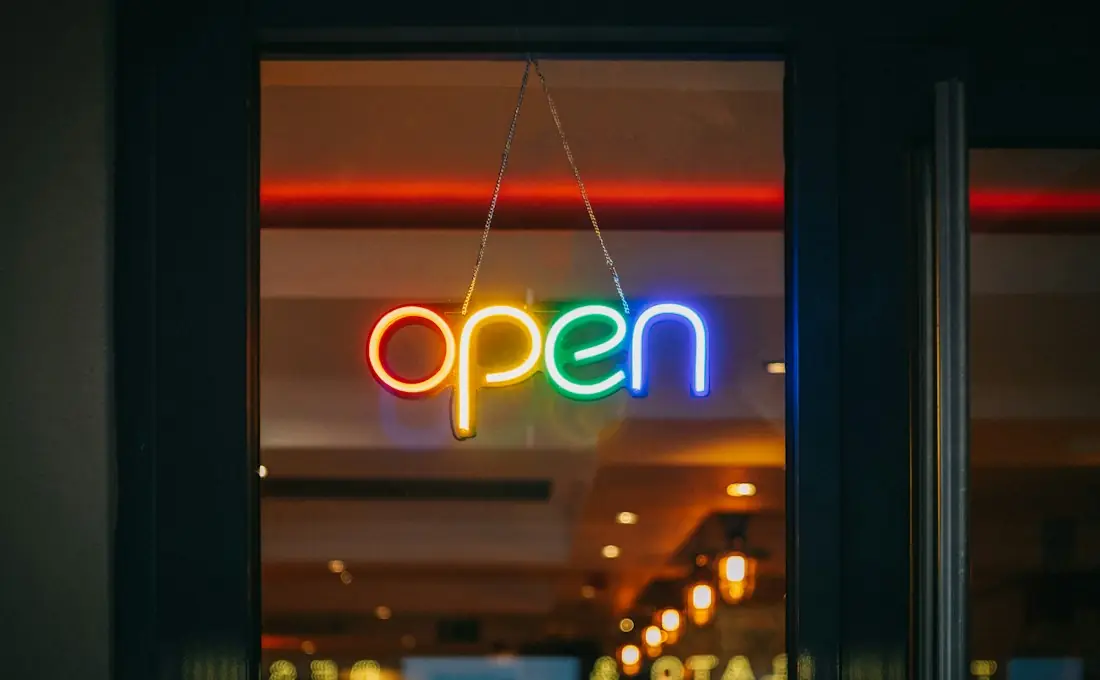
Non-illuminated signs rely on daylight and street lighting. They are simpler and often more economical, and they suit businesses that operate mainly in daytime. Illuminated signs, such as backlit boards, light boxes and LED letters, stay visible after dark, which matters for restaurants, clinics, showrooms and any shop that trades into the evening. We cover this in detail in our guide to LED sign boards in Jaipur.
Channel letters are individual raised letters and logos, fixed to a wall or board. They can be made in acrylic, stainless steel, brass or other materials, and can be lit from within. Because each letter stands off the surface, they give a premium, dimensional look that flat boards cannot.
Projecting and hanging signs stick out from the building, so they can be seen by people walking along the street, not just those facing the shopfront. Clip-on boards attach to poles or walls and are often used for secondary information. These are useful in lanes and markets where passers-by approach from the side.
Directional signs guide vehicles and visitors to parking, entrances and departments. Road and traffic signs often use retro-reflective sheeting so they remain readable when headlights hit them. These matter for campuses, industrial sites, hospitals and large premises.
Inside, signs handle reception branding, department names, floor directories, room numbers and safety information. Good wayfinding reduces confusion and repeated questions to staff. Our article on indoor vs outdoor signage explains how requirements differ.
Instead of starting with a sign type, start with the situation. Five questions usually narrow the choice quickly.
Jaipur has hot, dry summers with strong sun, a monsoon season, and a fair amount of dust. Each of these affects how a sign ages. Strong sun can fade printed surfaces and colours over time, rain exposes weak joints and poor sealing, and dust dulls surfaces and lighting if it is not cleaned.
This is why material choice matters as much as design. Our guide on how to choose the right signage material walks through the options. Ask your supplier how a given material and finish typically behaves outdoors, and how the fixing and wiring are protected from rain.
The Walled City is a heritage area and can have its own expectations around how signs look, including colour and display. Outdoor displays may also need approval from the relevant local authority, and requirements vary by location. Check local requirements before you finalise a design, especially in heritage zones, rather than assuming a standard modern board will be accepted.
A clear brief saves time and avoids revisions. Before you contact a supplier, gather the following:
It also helps to tell the supplier what you like and dislike. Photographs of signs you admire, and notes on what you want to avoid, give a designer a faster route to a result that suits you than a purely verbal description.
iMad is a Jaipur-based brand promotion company. Our signage services cover LED signages, LED channel letters, neon signages, ACP signages, steel and brass letters, flex boards, clip-on boards and road signage. We start by understanding what you need, then recommend and design a solution before moving to implementation. If you are also planning your interiors and counters, our retail branding services can help keep everything consistent.
To discuss a shopfront, showroom or office, get in touch through our contact page with your location, photos and a short note on what you want the sign to do.
For most small shops, a clear fascia board with the name and logo is the starting point. Add illumination if you trade after dark, and consider a projecting sign if customers approach from the side. The best choice depends on your street, viewing distance and budget rather than one fixed answer.
Often yes, especially for larger or projecting signs and outdoor displays such as hoardings. Requirements vary by location and building, and heritage areas like the Walled City may have extra expectations. Check with your landlord or building management and the relevant local authority before finalising the design.
If customers visit after dark, a lit sign keeps you visible and signals that you are open. If you trade only in daytime on a well-lit street, a non-lit board can be perfectly effective. Lit signs generally involve wiring and ongoing upkeep, so factor that into your decision.
Share your logo and brand colours, photos of the site, rough dimensions, whether the sign should be lit, where it will be fixed and your budget comfort zone. Mention any landlord or authority conditions you know about. The more specific the brief, the fewer revisions you will need.
Signage
Understand the main types of LED sign boards, the materials used with them, where they work best and what to prepare before ordering.
6 min read
Signage
A decision framework for picking signage material, with a plain-language comparison of the common options and what to ask a supplier.
6 min read
Signage
Understand how indoor and outdoor signs differ in exposure, materials and installation, and which suits each part of your premises.
5 min read
Tell iMad what you need and where, and we will suggest the right approach.