Signage
Signage in Jaipur: How to Choose the Right Signage for Your Business
A practical guide to business signage in Jaipur: sign types, how to match them to your location and budget, and what to include in a brief.
6 min read
Signage
By iMad6 min read
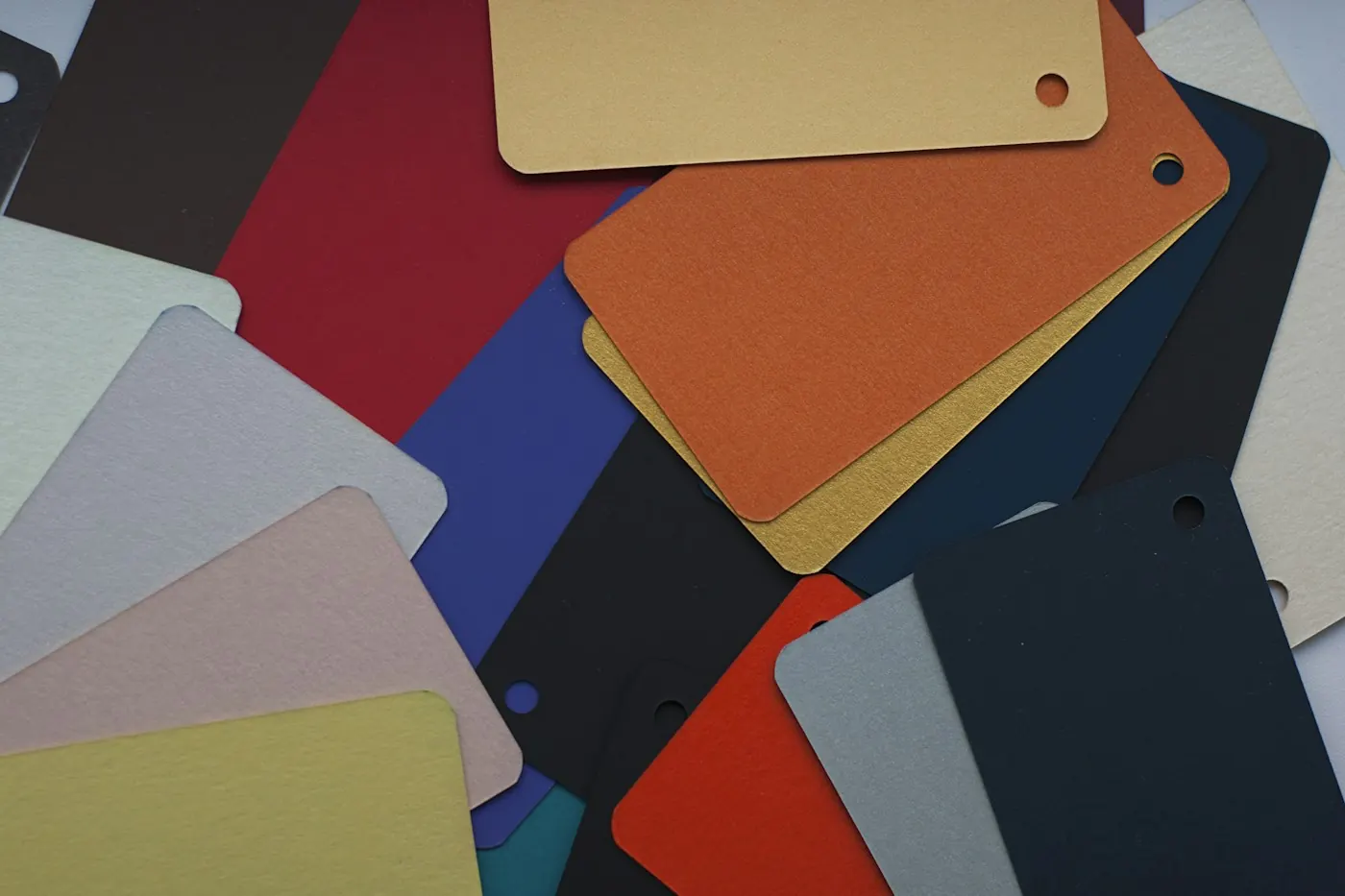
The right signage material is the one that suits where the sign will be, how long it needs to last, how it will be lit and what finish your brand needs. No single material is best for everything. A flex board that works well for a short promotion would be a poor choice for a permanent premium fascia. This guide gives you a simple way to decide and a plain comparison of the common options.
Answer these in order before you look at samples. They usually narrow the choice to two or three materials.
ACP is a flat, rigid panel made of two thin aluminium sheets bonded to a core. It is widely used for fascia boards, backing panels and letter bodies because it stays flat, takes paint and vinyl well and suits outdoor use. It gives a clean, modern look and is a dependable base for many sign types.
Flex is a printed sheet stretched over a frame, often used for large boards and backlit signs. Vinyl is an adhesive-backed film used for lettering, graphics and surface branding. These materials allow full-colour printing and are generally economical, which makes them practical for large faces and for graphics that change. They are usually a shorter-term choice than metal or solid panels, particularly in strong sun.
Acrylic is a clear or coloured plastic that can be cut precisely and polished. It diffuses light evenly, which is why it is common for letter faces, light boxes and edge-lit signs. It also works indoors for name plates, reception logos and wall signs where a crisp, modern finish is wanted.
Metal letters give weight, permanence and a premium appearance. Stainless steel suits modern, clean branding, while brass gives a warmer, classic look. They are often chosen for corporate offices, hospitals, showrooms and heritage-style frontages, and can be combined with lighting for halo effects.
Wood suits cafes, boutiques, studios and interiors where a natural, handcrafted feel is part of the brand. Outdoors, it needs suitable treatment and care to cope with sun and rain, so it is most often used in sheltered positions or indoors.
Glass signs and window graphics are used on entrances, partitions and storefronts. One-way vision film lets people inside see out while the exterior shows a printed graphic. It suits shopfront windows, offices and showrooms where branding and daylight both matter.
This sheeting reflects light back towards its source, so signs remain visible when vehicle headlights hit them at night. It is the usual choice for traffic, road and safety signs, and for directional boards on campuses and industrial sites.
Rather than a long chart, it helps to group materials by what they do best.
For the full range of sign types these materials go into, see our overview of signage in Jaipur, and for lit options see LED sign boards in Jaipur.
Jaipur has hot, dry summers with strong sun, a monsoon season and regular dust. Strong sun can fade printed and painted surfaces and stress some plastics. Monsoon rain can find weak joints, edges and fixings. Dust dulls surfaces and builds up on lit signs.
For permanent outdoor signs, materials that hold their shape and finish in sun and rain, such as ACP and metal, are generally safer choices than short-term printed materials. If you do use flex or vinyl outdoors, expect to refresh it more often. Our article on indoor vs outdoor signage goes deeper on exposure.
It is tempting to pick the cheapest material, but the better question is what the sign costs over its whole working life. A lower-cost material that needs replacing sooner, or that looks tired after a hot summer, can end up costing more than a sturdier option chosen at the start.
At the same time, premium material is not always necessary. A temporary promotion or a sheltered indoor sign rarely needs metal letters. Match the investment to how long the sign should serve and how important it is to your brand image, and keep a portion of the budget for good fixing and installation, since a well-made sign badly fixed will still fail.
Every material needs some upkeep, and it is worth thinking about this before you choose.
iMad designs and delivers a wide range of materials through its signage services, including ACP signages, steel and brass letters, flex boards and retro-reflective road signage. If you are unsure which suits your site, send us your location details and photos and we will help you compare options.
ACP and metals such as stainless steel and brass are generally preferred for permanent outdoor signs because they hold shape and finish in sun and rain. Flex and vinyl work outdoors too but are usually a shorter-term choice. The right pick depends on your site, lighting and how long the sign must last.
ACP is typically better for a permanent fascia because it is rigid, flat and durable. Flex is more economical for large printed faces and boards you expect to change, such as promotions. Many shops combine both: an ACP main board and flex for temporary messages.
Road and traffic signs normally use retro-reflective sheeting applied to a rigid board. The sheeting returns headlight beams to the driver, so the sign stays readable at night. It is also used for directional and safety signs on campuses and industrial sites.
Yes, acrylic is commonly used outdoors for letter faces and light panels, but it should be properly fixed and sealed. It is also popular indoors for logos and name plates. Ask your supplier how the specific acrylic and fixing method will cope with local sun and rain.
Tell your supplier the sign will face strong sun, monsoon rain and dust, and ask how the proposed material and fixings are designed to cope. Prefer stable materials for permanent outdoor signs, and plan for cleaning and periodic checks regardless of the material chosen.
Signage
A practical guide to business signage in Jaipur: sign types, how to match them to your location and budget, and what to include in a brief.
6 min read
Signage
Understand the main types of LED sign boards, the materials used with them, where they work best and what to prepare before ordering.
6 min read
Signage
Understand how indoor and outdoor signs differ in exposure, materials and installation, and which suits each part of your premises.
5 min read
Tell iMad what you need and where, and we will suggest the right approach.