
Signage
How to Choose the Right Signage Material for Your Business
A decision framework for picking signage material, with a plain-language comparison of the common options and what to ask a supplier.
6 min read
Signage
By iMad5 min read
The core difference is exposure. Outdoor signs face sun, rain, dust, wind and viewers who may be far away, so they need tougher materials, secure fixing and bold, simple design. Indoor signs sit in a controlled environment and are seen up close, so they can use finer finishes and more detail. This guide compares the two and helps you decide what each part of your premises needs.
Outdoor signs generally use materials that keep their shape and finish when exposed to the elements. Our guide on how to choose the right signage material goes through each in more detail.
Indoors, appearance and detail take priority because people see the sign close up and it is protected from weather.
Durability is not just about the material. It is the combination of material, finish, fixing and maintenance. A strong panel with poor sealing will fail at the joints, while a modest material that is protected and cleaned can last well in a sheltered spot.
In Jaipur, strong summer sun, monsoon rain and dust make outdoor durability a real consideration. Ask your supplier how the material and fixing are designed for those conditions rather than assuming any outdoor-labelled product will cope.
Maintenance needs differ as well. Outdoor signs collect dust and dirt quickly, and in a dusty city that can dull both colour and lighting. A regular wipe-down and an occasional check of fixings, joints and sealing keeps them looking sharp and catches small problems before the monsoon.
Indoor signs need gentler care. Acrylic can scratch if cleaned with rough cloths, wood needs protection from moisture, and printed graphics near busy corridors can suffer from handling. Choosing the right material for the situation reduces how much upkeep the sign needs in the first place.
If you are planning a full store interior, our retail branding services cover layout, displays and branded counters, so your signs and fixtures work together.
Large outdoor displays such as hoardings generally need approval from the relevant local authority, and rules vary by location, so check requirements before you commit. Our outdoor branding services cover highway hoardings, unipoles and wall wraps.
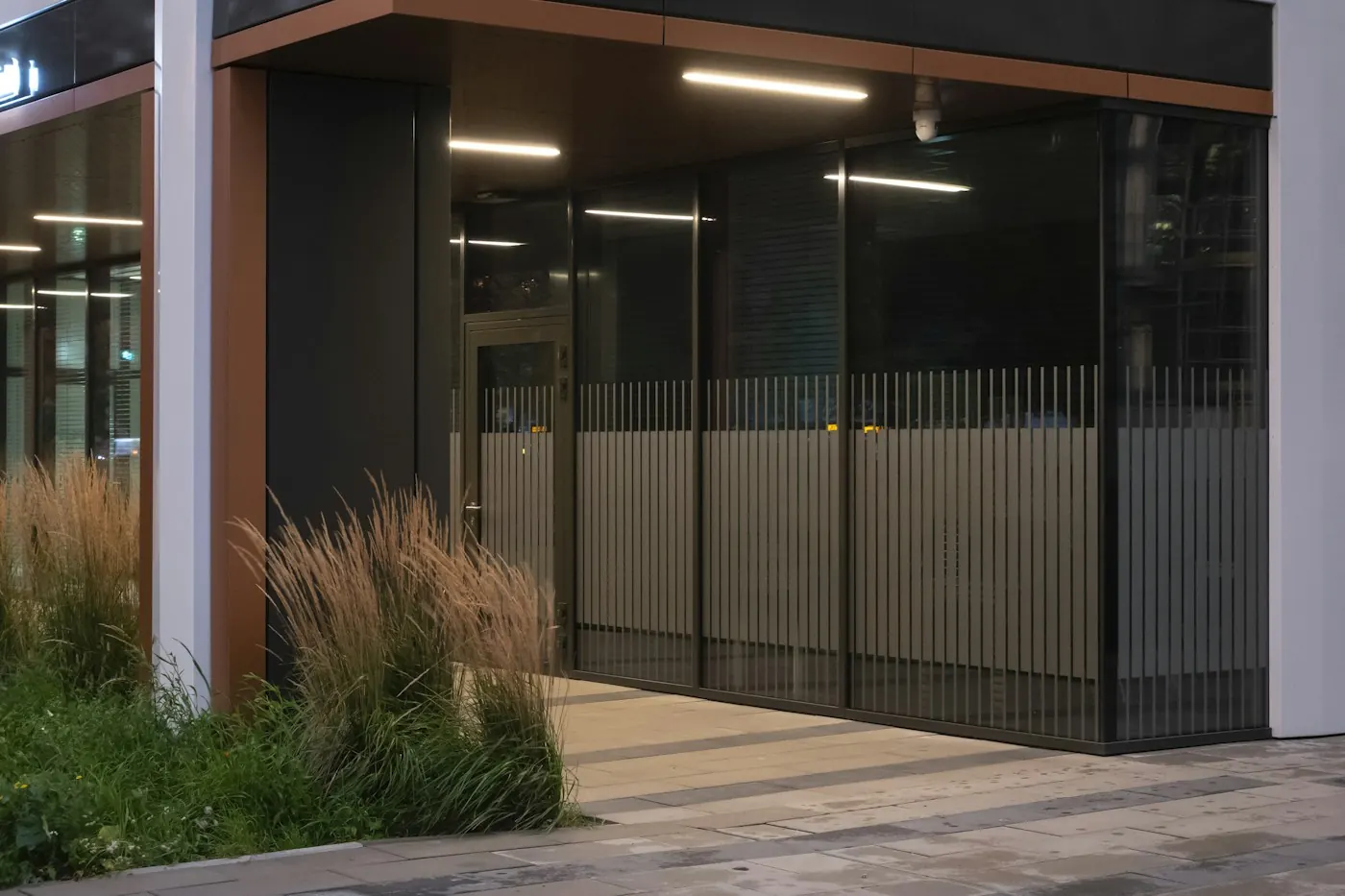
Some signs sit between indoors and outdoors. Window graphics are applied inside glass but are viewed from outside, and they are exposed to strong sun through the glass. Entrance signs under a canopy are partly sheltered but still catch wind-blown rain and dust.
Fixing matters as much as material. Outdoor signs, especially large or high-mounted ones, need secure fixings suited to the wall or structure and to wind. Heavy signs and signs above walkways should be installed by competent people, and any lit sign needs safe, insulated, weather-protected wiring.
Readability is a safety issue too. Use strong contrast, simple fonts and sufficient letter size for the distance, and keep emergency and directional signs clear and unobstructed. For the full picture of sign types and planning, see signage in Jaipur.
iMad's signage services cover both indoor and outdoor needs. If you are not sure which approach suits each part of your premises, contact us with photos and a short description, and we will recommend a practical option.
Usually not. Indoor materials and fixings are not designed for sun, rain, dust and wind, so they can fade, warp or fail outdoors. If a sign sits near an entrance or behind glass, treat it as a hybrid case and choose a more durable material.
Metals such as stainless steel and brass, and rigid panels like ACP, are generally the more durable choices for permanent outdoor signs. Durability also depends on finish, fixing and maintenance, so ask your supplier how the whole sign is built for local conditions.
They are a hybrid. They are usually applied to the inside of glass but viewed from outside, and they face strong sun through the window. Vinyl and one-way vision film are common choices, and they should be selected for sun exposure and easy cleaning.
Outdoor signs are read from much farther away, often by people walking or driving past. Larger, simpler letters with strong contrast stay legible in glare and at a distance. Indoor signs are seen up close, so smaller type and more detail work fine.
Signage
A decision framework for picking signage material, with a plain-language comparison of the common options and what to ask a supplier.
6 min read

Signage
Understand the main types of LED sign boards, the materials used with them, where they work best and what to prepare before ordering.
6 min read

Signage
A practical guide to business signage in Jaipur: sign types, how to match them to your location and budget, and what to include in a brief.
6 min read
Tell iMad what you need and where, and we will suggest the right approach.