
Signage
Signage in Jaipur: How to Choose the Right Signage for Your Business
A practical guide to business signage in Jaipur: sign types, how to match them to your location and budget, and what to include in a brief.
6 min read
Branding
By iMad8 min read
Business branding in Jaipur, as anywhere, works best when every physical touchpoint looks like part of one brand. That means treating signage, printing, retail design, outdoor displays and promotional materials as a single system instead of separate purchases. This guide explains what each part does, how to combine and sequence them and how to brief a partner.
Customers rarely notice a single item. They notice the overall impression built from your signboard, your shop interior, the card they are handed, the banner on the road and the bag they take home. When these match, the brand feels clear and dependable. When they do not, even good individual items look disconnected.
Physical branding generally has five working parts:
Each can be bought separately, but they deliver more when they share one identity. The rest of this guide covers each part, then how to put them together.
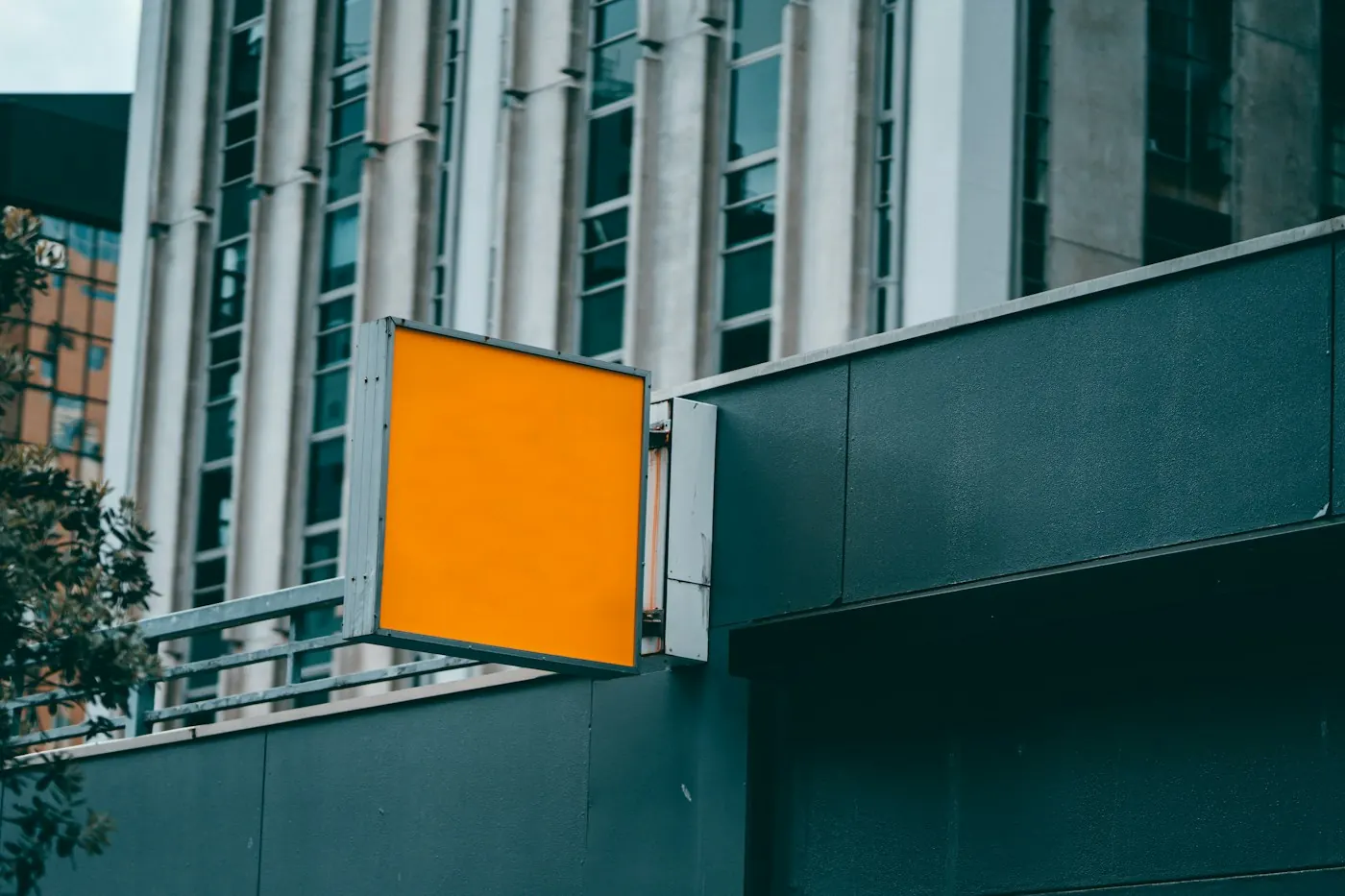
Signage is usually the first branding item a customer meets. A clear, well-lit board tells people who you are and where to enter. It also works at night, which many other media do not.
Options include LED signages, LED channel letters, edge-lit and neon signs, ACP boards, steel and brass letters, backlit and non-lit flex boards, clip-on boards, flanges, sandwich boards and tin boards, plus traffic and road signage and bottom pole signage. The right choice depends on viewing distance, lighting, surroundings and how long the sign should last. See our signage services and our local overview of signage in Jaipur.
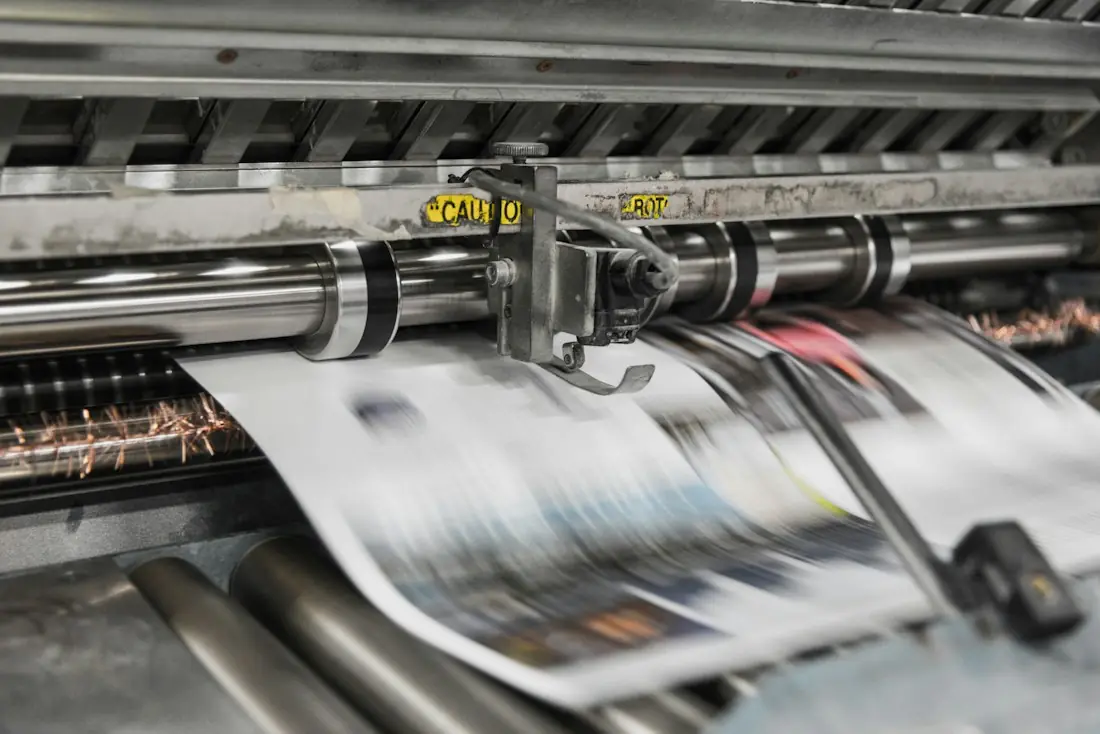
Printing covers two broad areas. Large-format work, such as flex, vinyl, one-way vision and canvas, uses solvent, eco-solvent and digital inkjet printing, while flatbed UV printing can reach glass, marble, tiles, acrylic, wood and steel. Smaller commercial printing covers brochures, catalogues, books, stationery and visiting cards, typically through four-colour offset and screen printing.
Printed pieces carry your brand into homes and offices, so paper, finish and colour accuracy matter. Advice on media and finishing, such as die-cut shapes, helps a piece look and feel right. Explore our printing services and the guide to commercial printing in Jaipur.
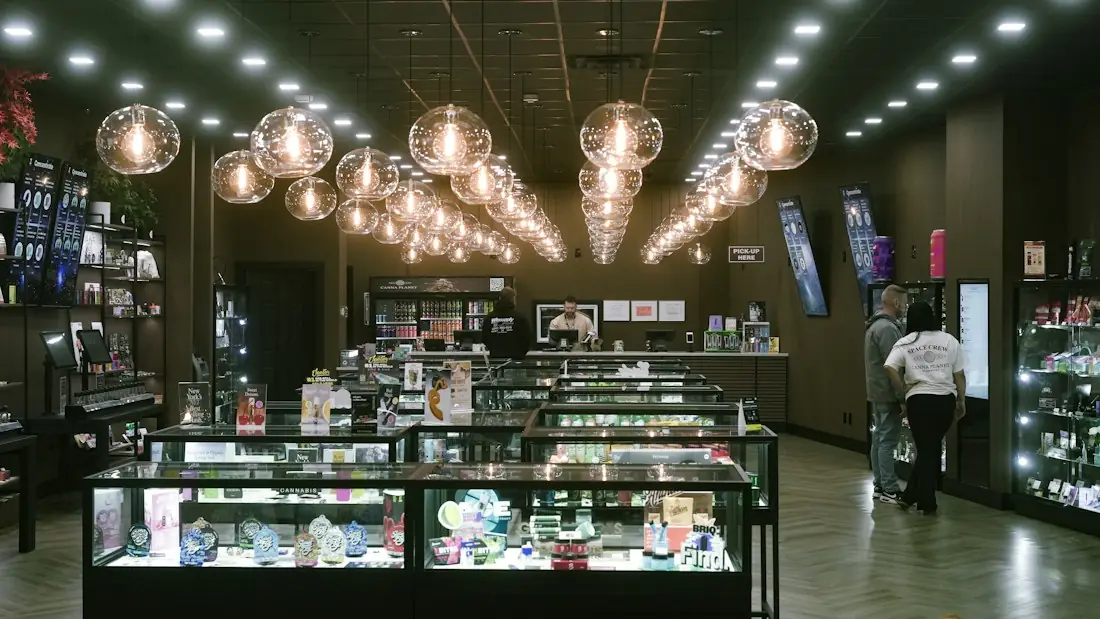
For shops, showrooms and kiosks, retail branding translates the identity into counters, display units, stands, racks, lighting and layout. It covers branded outlets, kiosks, display counters and customised counters, with layout, 3D design and execution for interiors and exteriors.
The aim is a consistent experience from the fascia to the billing desk. Detailed guidance on how to keep that consistency is in our article on retail branding and a consistent brand experience, and the retail branding services page lists what is available.
Outdoor branding places your name where large numbers of people pass: highway hoardings and unipoles, wall wraps, highway dhaba branding, mall advertising, mobile vans, and bus and auto branding. It is useful for awareness, for guiding people to your location and for keeping the brand visible every day.
Outdoor displays face sun, dust and the monsoon, and many need approval from the relevant local authority and the site owner. Read more in outdoor branding for businesses and the outdoor branding services page.
Promotional branding covers the portable and short-term items: promotion tables, canopies and display tents, roll-up standees, banner stands, pop-up backdrops, danglers, balloons, umbrellas, T-shirts, caps and promotional gifts. They suit launches, exhibitions, campaigns and in-store activity.
Choose items that can be reused where possible, and keep them on-brand so they reinforce your permanent branding. Our guide to promotional branding with physical materials goes deeper, and the promotional branding services page lists the range.
Not everything needs to happen at once. A sensible order follows what customers need first and what depends on earlier decisions.
If you are starting from zero, our practical checklist for branding a new business in Jaipur lays out this sequence in more detail.
Consider a new showroom opening in a busy commercial area. The fascia carries the logo in lit lettering so the name is visible from the road. Inside, counters and display units repeat the brand colours and materials. Visiting cards, catalogues and bills use the same typefaces. On opening day, roll-up standees and a pop-up backdrop carry the launch offer in the same style, and a wall display on the approach road helps people find the entrance.
None of these items is unusual on its own. What makes them effective is that a customer who sees any one of them recognises the others. That recognition is the real return on planning branding as a system.
A clear brief saves time and keeps quotes comparable. It does not need to be long, but it should be specific.
A good partner starts by understanding your business, then recommends options, designs them and finally implements. Expect questions about your customers, location and goals before any quotation. Ask to see proofs and mock-ups before production.
Several vendors can work, but then you coordinate colours, artwork and timing yourself. A single partner across signage, printing, retail, outdoor and promotional work usually keeps the identity consistent and reduces delays. iMad is a Jaipur-based brand promotion company that designs and delivers across all five areas.
Without quoting numbers, the logic is straightforward. Spend first where customers look first, which is generally signage and the core store. Spend carefully where durability matters, such as outdoor displays, because cheap materials weather quickly. Spend modestly on short-term items and favour reusable ones.
Branding is not finished at installation. Signage needs cleaning and lamp checks, printed items need reordering from master files and promotional items need storage and repair. A brand that looks cared for months after launch earns more trust than one that looked sharp only on opening day.
These rules are easiest to keep when they are written down once and shared with everyone who produces something for you. A short brand sheet, a folder of master artwork and a named person who approves every new item are usually enough. They also make it simple to onboard a new vendor, open a second outlet or refresh the look later without starting over.
Consistency also applies across time. If a board is replaced or a banner is reprinted two years from now, it should still match the rest. Treat the brand sheet as a living reference and update it deliberately, so that the whole set changes together when your business grows or repositions.
Start with the area that matters most to your business, then use the linked articles above for detail. You can also browse all iMad services or see examples in our projects. When you are ready to discuss your brand, contact iMad. We will first understand your needs, then recommend and design the right combination and deliver it.
Physical business branding includes signage, printed materials, store or office design, outdoor displays and promotional items. All of these should use the same logo, colours and typefaces so customers recognise the business wherever they meet it, from the shopfront to a visiting card.
Start with identity: name, logo, colours and typefaces. Then do shopfront signage, interior setup and printed essentials, followed by launch promotional items. Outdoor and larger campaigns usually come once the basics are in place and you know what works.
It is often simpler. One partner working from one brand sheet keeps colours, artwork and timing consistent and means fewer handovers for you. Using several vendors is possible, but you then manage consistency, so give each the same brief and approve proofs first.
Rank items by customer visibility and durability needs. Invest first in signage and the core store, choose durable materials where exposure is high and favour reusable promotional items. Ask for a recommendation after sharing a clear brief, so quotes match your priorities.
Usually, yes. Hoardings and many outdoor signs need approval from the relevant local authority and often the owner of the site, and rules vary by location. Heritage areas have their own expectations. Check requirements before design and production.
Signage
A practical guide to business signage in Jaipur: sign types, how to match them to your location and budget, and what to include in a brief.
6 min read
Printing
A practical guide to commercial printing for businesses: the main methods, how to match them to your material, how to prepare artwork and what to ask for in a quote.
7 min read
Retail
A consistent retail identity helps customers recognise and trust your store. Here is how to standardise brand elements and carry them from the fascia to the shopping bag.
7 min read
Outdoor
From hoardings and wall wraps to vehicle branding, here is how to pick the right outdoor format, design for distance reading and plan a campaign that lasts.
7 min read
Promotional
Promotional branding turns physical materials such as canopies, standees and merchandise into marketing at the point of contact. Learn what to use, when and how to plan it.
6 min read
Branding
A step-by-step checklist for branding a new business, from name and logo to shopfront signage, printing and launch materials, with local Jaipur considerations.
6 min read
Tell iMad what you need and where, and we will suggest the right approach.