Corporate Branding Materials: What Every Business Needs for a Consistent Identity
By iMad · · 6 min read
Corporate branding
Brand consistency
Business stationery
Rebranding
Quality control
In this article
Corporate branding materials are the physical and printed items that carry your business identity into the world, from a visiting card to a signboard. A business looks credible when these items look like they belong together. This guide explains what counts as branding material, how to keep it consistent and what to produce first.
What counts as corporate branding material
It helps to think of branding material as everything a customer, partner or employee can see or hold that carries your name. These items generally fall into a few groups.
Stationery
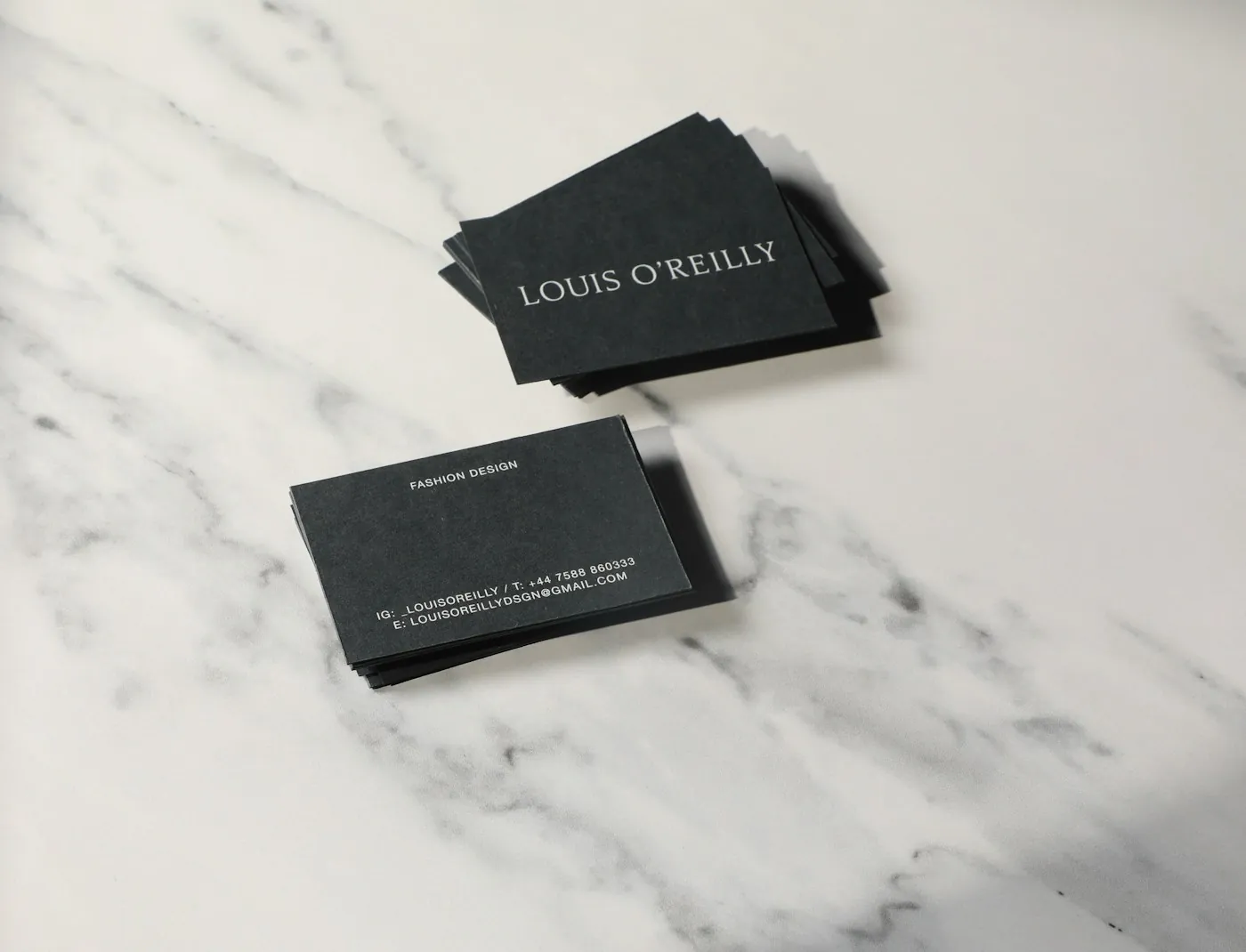
Visiting cards, letterheads, envelopes, files and folders, bill books and notepads. These are small items, but they are often the first physical contact someone has with your business, and they usually travel the furthest.
Sales and information material
Brochures, catalogues, company profiles, price lists, presentations and proposal documents. These explain what you do and help a buyer make a decision, so layout and print quality matter.
People and presence
ID cards, uniforms, T-shirts and caps. When staff wear your identity, it shows up in shops, at events and on site visits.
Places and spaces
Signage, display counters, backdrops and window graphics, which our signage services cover. Your premises are a branding material in themselves, and boards and fascia are among the most visible items you will ever produce.
Promotion and packaging
Standees, banner stands, promotional gifts, umbrellas, branded bags and basic packaging. These items spread your name beyond the places where you work.
How consistency actually works
Consistency does not mean every item looks identical. It means each item follows the same visible rules, so people recognise your business whether they see a card, a board or a T-shirt. Four elements carry most of the work.
Logo usage: which version to use on light and dark backgrounds, how much clear space it needs and what never to do to it, such as stretching or recolouring.
Colour: a defined set of brand colours, with the exact values noted, so printers can match them across materials.
Typography: one or two typefaces for headings and body text, used the same way each time.
Layout: consistent placement of logo, contact details and key information across stationery and documents.
Build a simple brand sheet
Put your approved logo files, colour values, font names, correct company name and standard contact details on one document. Share it with every designer, printer and vendor. It saves repeated explanations and reduces the chance of a slightly different shade of your colour appearing on a new batch.
Must have first, add later
Not every business needs every item from the first day. A prioritised approach avoids spending on materials you will not use yet.
Start with these
A clean logo in usable file formats.
Visiting cards and basic stationery for billing and correspondence.
Signage or a fascia board at your premises.
A simple brochure, profile or digital presentation that explains your offer.
Uniforms or ID, if staff meet customers.
Add as the business grows
Catalogues or a detailed product book.
Display stands, standees and banner stands for events.
Branded gifts, umbrellas, T-shirts and caps.
Packaging and branded bags.
Vehicle or outdoor branding.
If you are at the beginning of your journey, our guide to branding a new business in Jaipur walks through the early decisions in the right order.
How materials work together across touchpoints
Customers rarely meet your business through one item. They might see your signboard, pick up a brochure, receive a bill and later wear a T-shirt at an event. Each touchpoint should feel like part of the same story.
A practical test: lay your visiting card, a brochure, your signboard and a staff uniform side by side. Do the colours, logo and tone look related? If one item looks like it came from a different business, that is the one to fix first. Printed pieces should also reflect the quality of your physical space, since a polished showroom with a poorly printed card creates a mixed signal.
Quality control when using several suppliers
Many businesses order cards from one printer, boards from another and uniforms from a third. That is fine, provided you control the inputs.
Give every supplier the same brand sheet and logo files.
Ask for a proof or sample before approving any large order.
Check colours on the physical sample, not only on a screen.
Keep one master copy of final approved artwork so reorders match earlier batches.
Review each delivery against the approved proof before you accept it.
Working with a single partner for related items can reduce mismatch, because design, printing and production decisions stay connected. iMad designs and delivers branding materials across printing services and promotional branding, after first understanding what your business needs.
Common problems with business collateral
Most inconsistency is not a design failure. It builds up slowly as different people order different items at different times. Knowing the usual causes helps you prevent them.
Logo drift: an old file gets reused, a new version is redrawn by a vendor and soon three slightly different logos are in circulation.
Colour drift: a shade is matched by eye instead of from a defined value, so each batch looks a little different.
Mixed fonts: staff use whatever typeface is on their computer, so documents and proposals look unrelated to your printed material.
Outdated details: old phone numbers, addresses or taglines stay on stock that is still in use.
No owner: nobody is responsible for approving materials, so everyone makes their own decisions.
Naming one person to approve branded material, even in a small business, solves most of these problems. That person keeps the brand sheet, checks proofs and decides when stock is outdated and should be reprinted.
Refresh or rebrand?
A refresh updates how your identity is applied without changing its core. You might tidy the layout of your stationery, replace worn-out boards or standardise colours that have drifted over time. A rebrand changes the identity itself, such as a new name, logo or positioning.
Refresh when: the identity is sound but materials look inconsistent, dated or worn.
Rebrand when: the business has changed direction, merged, expanded into new markets or the current identity no longer represents what you offer.
A rebrand means replacing materials across every touchpoint, so plan it in phases and start with the most visible items such as signage and stationery.
A practical checklist before you order
Confirm that your logo files are clean and available in editable formats.
Write down your brand colours, fonts and standard contact details.
List every touchpoint where customers meet your business.
Rank those items into must have now and add later.
Decide which suppliers handle which items, and share the same brand sheet with each.
Request proofs and samples for anything produced in volume.
iMad is a Jaipur-based brand promotion company. We start by understanding your business, recommend what you need and in what order, design it and then implement. If you are planning a set of branding materials, tell us about your requirements through the contact page.
What branding materials does a small business need first?
Most small businesses should start with a usable logo, visiting cards, basic billing stationery and a signboard at the premises. A simple brochure or presentation is a sensible next step. Uniforms, standees, gifts and packaging can follow once the business has regular customers and a clear budget.
How do I keep my branding consistent across different suppliers?
Create a one-page brand sheet with your logo files, colours, fonts and contact details, and share it with every supplier. Approve proofs or physical samples before bulk orders, and keep one master set of final artwork so that reorders match earlier batches.
What is the difference between a brand refresh and a rebrand?
A refresh tidies how your existing identity is applied, such as layouts, colours and worn materials, without changing its core. A rebrand changes the identity itself, like the name, logo or positioning. A rebrand usually means replacing materials across every touchpoint, so it needs more planning.
Do I need a full brand manual?
Not at the start. A short brand sheet covering logo versions, colours, typefaces and basic layout rules is enough for most businesses. As you add more materials, suppliers and staff, you can expand it into a fuller guide with examples of correct and incorrect use.
A practical guide to commercial printing for businesses: the main methods, how to match them to your material, how to prepare artwork and what to ask for in a quote.
A step-by-step checklist for branding a new business, from name and logo to shopfront signage, printing and launch materials, with local Jaipur considerations.
Promotional branding turns physical materials such as canopies, standees and merchandise into marketing at the point of contact. Learn what to use, when and how to plan it.
6 min read→
Planning a project like this?
Tell iMad what you need and where, and we will suggest the right approach.